How to Audit Residual Starch in Cassava Pulp Before It Leaves the Factory
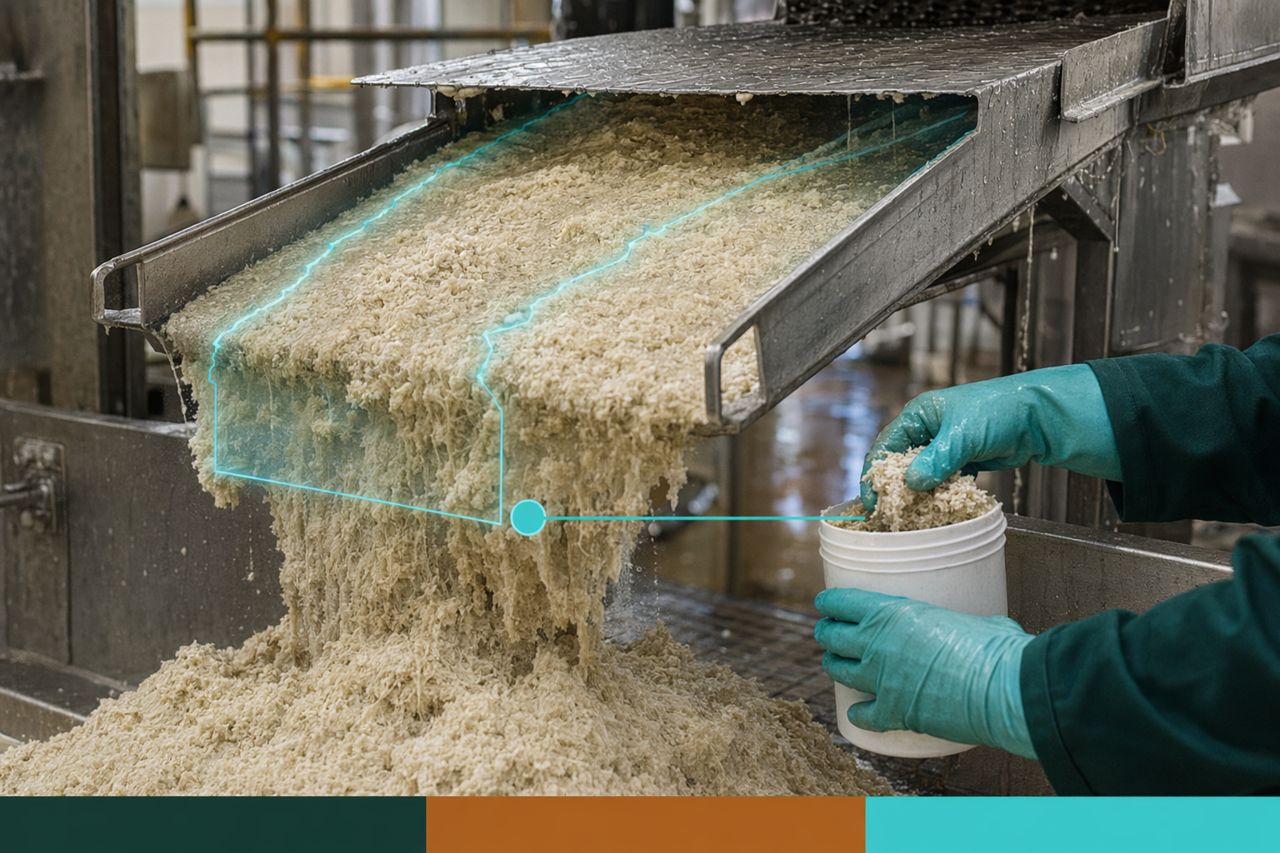
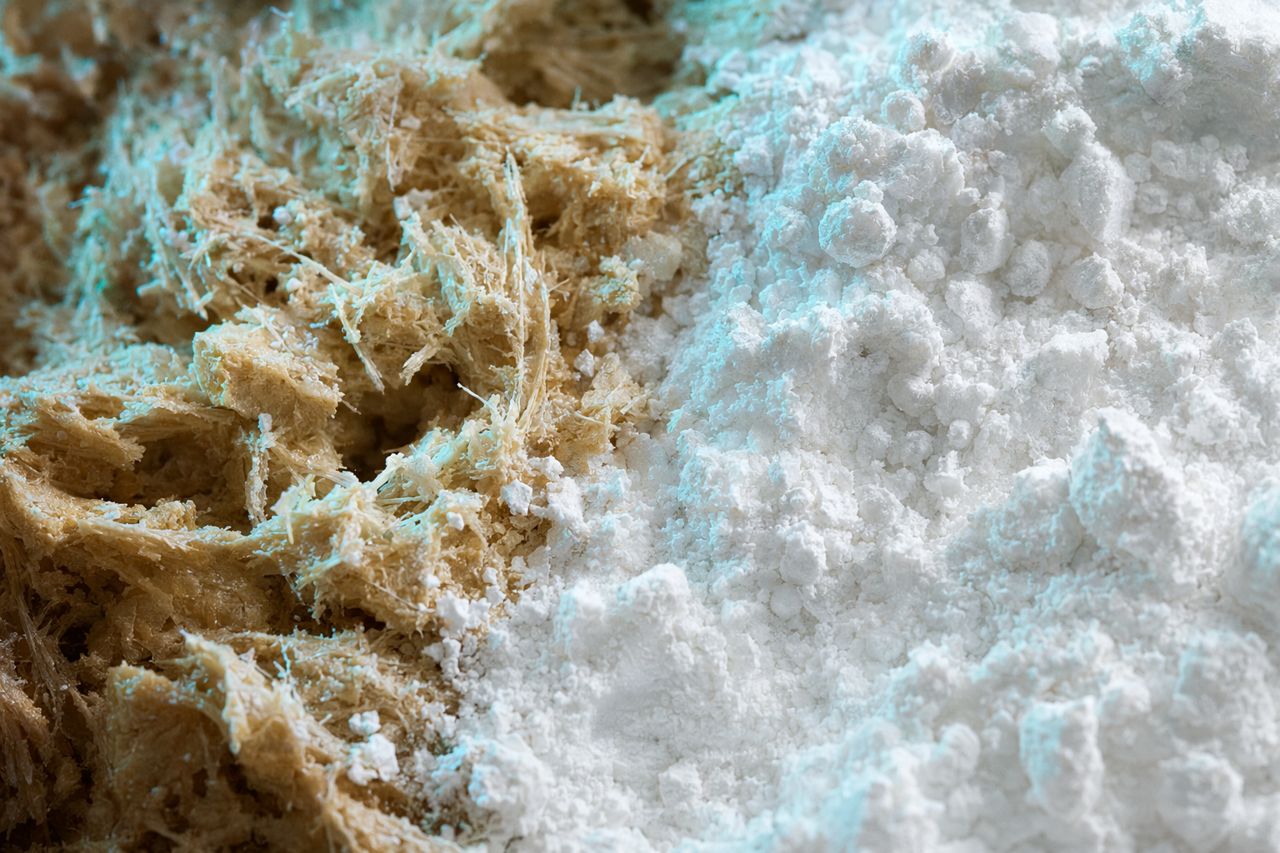
Cassava pulp is not waste until the factory proves it is waste. In many plants, pulp leaving the extraction line still carries recoverable starch because rasping, dilution, screening, hydrocyclone balance, fiber washing, or enzyme dose discipline has drifted.
A residual starch audit gives the plant manager a practical answer: are we sending value out through the pulp stream, or is the line separating as intended?
For a cassava starch factory, this is not a lab-only exercise. It is a production control habit. The audit should connect sampling, process settings, pulp handling, starch brightness, water use, and shift behavior into one clear operating picture.
Enzymesconnect supports factories that need an enzyme supplier for cassava starch processing with a practical view of the whole line: slurry behavior, separation load, viscosity control, operator consistency, and procurement reliability.
Watch the 1-minute explainer
Embed the faceless explainer video here: cassava pulp moving from screen discharge to audit table, with cyan flow tracers showing where recoverable starch can escape the line.
Why residual starch in pulp matters
Residual starch in cassava pulp directly affects factory economics.
When too much starch remains with fiber, the factory sees:
- Lower starch recovery from the same root intake
- Heavier pulp with higher retained solids value
- More pressure on fiber washing and separation stages
- Unstable slurry behavior after peak root variability
- Higher wastewater loading when wash discipline compensates for poor extraction
- More procurement exposure because extra roots are needed to hit starch output targets
The issue often hides in plain sight. Pulp discharge may look normal. Operators may see steady flow. But if the pulp stream is carrying starch, the plant is losing saleable product every hour.
Where starch loss usually starts
Residual starch in pulp is rarely caused by one single point. It is usually a chain of small drifts.
1. Root quality and preparation
Freshness, peel load, dirt carry-in, fibrous roots, and seasonal dry matter variation all change how the root breaks down. If the preparation area is inconsistent, the extraction area inherits the problem.
2. Rasping and cell rupture
If root disruption is incomplete, starch granules stay locked in fiber. The screen room may be blamed, but the loss started earlier.
3. Slurry dilution and flow balance
Too little process water can make fiber mats hold starch. Too much water can overload downstream separation and dilute the operator signal. The target is stable slurry behavior, not maximum wash water.
4. Screening condition
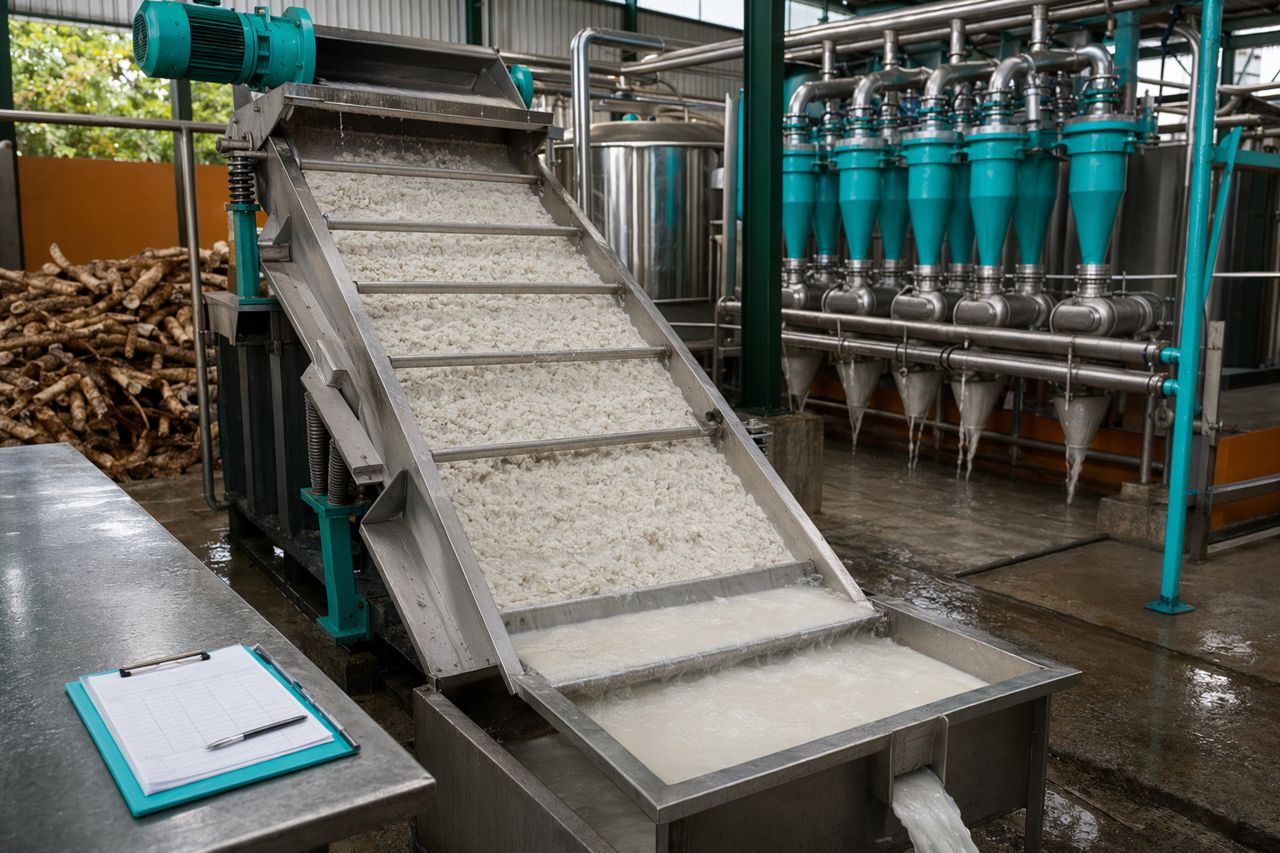
Worn screens, damaged panels, blocked sections, poor spray pattern, and inconsistent feed can all push starch into the pulp stream. Screen checks should be tied to actual pulp audit results, not just maintenance intervals.
5. Hydrocyclone and separation stability
When upstream pulp carryover increases, downstream equipment must fight a dirtier load. This affects starch brightness, separation efficiency, and wash demand.
6. Enzyme fit and dose discipline
Enzyme use in cassava starch processing should support controlled slurry movement and separation behavior. The wrong fit, inconsistent dosing, or poor addition point can create avoidable variability. The audit helps identify whether the issue is mechanical, operational, biochemical, or a combination.
Build a residual starch audit that operators will actually use
A useful audit must be simple enough for shift teams and strong enough for management decisions.
Step 1: Define the pulp streams
Do not treat all pulp as one number. Separate the audit by actual discharge point where possible:
- Primary extraction pulp
- Secondary washing pulp
- Final pulp leaving the factory boundary
- Pulp after abnormal stoppage or restart
- Pulp during high-fiber or low-freshness root runs
This makes the result actionable. If only final pulp is checked, the plant may know it has a loss but not where to correct it.
Step 2: Sample by shift and operating state
Residual starch loss is often worst during transitions, not during the calmest hour of the day.
Include samples during:
- Stable production
- Start-up after cleaning or maintenance
- Root lot changeover
- High throughput periods
- Water pressure fluctuation
- Screen maintenance change
- Enzyme addition adjustment
- Restart after stoppage
A single neat sample taken at the best moment is not an audit. It is a snapshot.
Step 3: Pair pulp checks with line conditions
Every pulp result should be tied to production context. Record the practical variables operators already understand:
- Root intake condition
- Rasper condition and maintenance status
- Slurry consistency trend
- Screen load and spray condition
- Wash water pressure stability
- Separation behavior downstream
- Starch milk appearance and brightness trend
- Pulp discharge appearance
- Enzyme product, addition point, and planned dose range
- Any stoppage, bypass, or operator intervention
This prevents the audit from becoming a blame tool. It becomes a troubleshooting map.
Step 4: Convert findings into yield language
Management does not need an isolated technical number. Management needs to know what the loss means.
Translate the audit into:
- Estimated recoverable starch leaving with pulp
- Shift-to-shift variation
- Loss trend by root lot
- Loss trend by equipment condition
- Loss trend before and after process change
- Cost of doing nothing
- Priority ranking for corrective action
This is where a residual starch audit becomes useful for procurement, operations, and finance at the same time.
What a good audit can reveal
A well-run audit may show that residual starch is high only under certain conditions. That is valuable because it narrows the fix.
Common findings include:
- Good performance during stable flow, poor performance during root changeover
- Higher losses after screen wear increases, even if throughput looks normal
- Pulp starch spikes when dilution water pressure drops
- Extra starch loss after operators increase throughput beyond stable separation capacity
- Lower starch brightness when upstream fiber carryover rises
- Enzyme dosing that is technically present but not consistently matched to process variability
- Pulp discharge that looks dry but still carries recoverable starch
The goal is not to chase perfect conditions. The goal is to keep loss inside a controlled band and respond before the pulp stream becomes a daily yield leak.
Enzyme supplier selection: what to ask for
If the audit points toward slurry behavior or process variability, the enzyme supplier conversation should be practical.
Ask for support on:
- Process-fit recommendations for cassava starch, not generic enzyme descriptions
- Guidance on addition point and mixing reality
- Dose discipline that operators can maintain
- Compatibility with water quality and seasonal root variation
- Expected process response in separation, viscosity behavior, and consistency
- Documentation that procurement can use to reduce supply risk
- Technical follow-up after plant trials, not just a product delivery
A strong enzyme supplier for cassava starch processing should help your team connect enzyme performance to factory outcomes: recovery, separation stability, starch brightness, wastewater load, and uptime.
Red flags during a pulp audit
Treat these signs as reasons to investigate quickly:
- Pulp results vary widely between shifts without a clear root-quality reason
- Operators compensate with more water but yield does not improve
- Screen maintenance reduces loss briefly, then loss returns
- Final pulp starch increases when throughput increases
- Starch milk brightness becomes less stable after fiber load changes
- Enzyme dosing is adjusted informally without a documented plant reason
- Procurement switches inputs without a controlled comparison period
None of these automatically proves the enzyme is wrong or the equipment is failing. They prove the process is not under enough control.
Practical corrective actions
After the audit, choose actions that match the evidence.
If loss begins at rasping
Review rasping condition, feed consistency, root preparation, and maintenance timing. Do not expect downstream washing to recover starch that remains locked inside fiber.
If loss rises at screening
Inspect screen condition, spray pattern, feed distribution, and loading. Compare results before and after maintenance so the plant knows the economic value of the change.
If loss follows slurry instability
Review dilution discipline, mixing, holding time, and enzyme addition point. The target is repeatable slurry movement through the line.
If loss changes with supplier or root lots
Segment audit results by input source. Procurement decisions should include process impact, not only delivered root cost.
If loss changes by shift
Standardize checks, handover notes, and response limits. Residual starch control should not depend on one experienced operator being on duty.
What to include in a simple audit report
A good report can fit on a few pages if the structure is clear:
- Audit period and operating conditions
- Root lot and intake notes
- Sampling locations by pulp stream
- Shift comparison
- Equipment and water-condition notes
- Enzyme addition and process-change notes
- Residual starch trend summary
- Estimated yield impact
- Corrective actions ranked by return and urgency
- Follow-up check date
Keep the report practical. The best audit is the one the plant repeats, improves, and uses.
Enzymesconnect can help you turn pulp checks into process control
Enzymesconnect works with cassava starch factories that need tighter separation behavior, better dose discipline, and reliable supply decisions. We help production and procurement teams evaluate where residual starch losses are coming from and how enzyme strategy fits the real factory line.
If your pulp stream may be carrying recoverable starch, use the on-site request a quote form. Share your process goal, root variability, current pain points, and the stage where losses appear. We will respond with a practical supply and technical support path for your plant.
Request a quote through the contact form and start with the pulp stream you want to control first.